
Navigating Hawaii's Affordable Housing Shortage: Opportunities for Developers
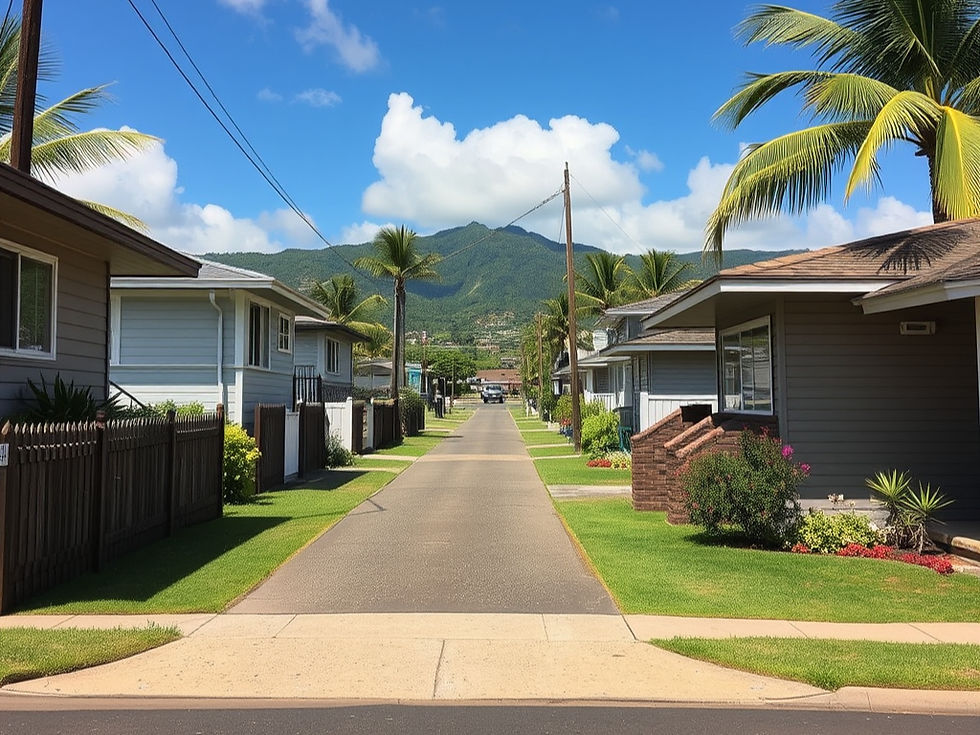
Everyone who lives in Hawaii knows the story: paradise comes with a price tag. For decades, the cost of housing across the islands has climbed steadily, often outpacing wages and leaving local families with few options. It is a crisis that dominates headlines and dinner table conversations alike. But where the general public sees a crisis, savvy real estate developers and investors see a critical opportunity to make a difference—and a profit.
The demand for affordable, workforce housing is insatiable. The shortage isn't just about a lack of luxury condos; it is a desperate need for the "missing middle"—homes for teachers, nurses, and service workers. For developers willing to navigate the complexities of the Hawaiian market, the potential for growth is immense.
This post explores the unique challenges of building in Hawaii, uncovers specific opportunities like Accessory Dwelling Units (ADUs) and infill development, and explains how private financing is often the key to unlocking these projects.
The Reality of the Crisis
Hawaii has the most expensive housing market in the nation. This isn't an accident; it is the result of high demand meeting severely restricted supply. We live on islands with finite land, strict preservation laws, and a booming tourism industry that competes for space.
For developers, understanding the depth of this shortage is the first step. The state needs thousands of new units annually just to keep pace with demand, let alone make a dent in the backlog. This creates a market floor; if you can build a reasonably priced product, you will have buyers or renters lined up before the paint is dry.
Major Hurdles for Local Developers
While the demand is guaranteed, the supply side is fraught with obstacles. It is not easy to build here, and understanding these hurdles is essential for any investor looking to enter the space.
The Cost of Paradise
Everything is more expensive in the middle of the Pacific. Most construction materials—from lumber to copper piping—must be shipped in. This adds a significant premium to every square foot of construction. Furthermore, skilled labor is in high demand and short supply, driving up wages and construction costs. Developers must be meticulous with their budgets, as there is little room for error when hard costs are this high.
Regulatory Red Tape
Hawaii is notorious for its rigorous permitting process. Obtaining building permits can take months, sometimes years, depending on the scope of the project and the specific county. Navigating zoning laws, environmental regulations, and historic preservation rules requires patience and local expertise. A project that might be approved in weeks on the mainland can languish in review here, tying up capital and increasing carrying costs.
Land Scarcity and Zoning
Unlike states with sprawling plains, we cannot simply build further out. We are constrained by the ocean and the mountains. Much of the land is zoned for agriculture or conservation, limiting where new housing can go. This scarcity drives up the price of raw land, making the initial acquisition cost one of the biggest barriers to affordable projects.
Where the Opportunities Lie
Despite these challenges, innovative developers are finding ways to deliver housing. The solution rarely lies in massive, sprawling subdivisions, but rather in smarter, smaller, and more creative uses of existing land.
The Rise of ADUs (Accessory Dwelling Units)
One of the most immediate solutions to the housing shortage is the ADU. Often called "ohana units," these are secondary structures built on a property that already has a main house.
Changes in legislation have made it easier for homeowners and investors to add these units to their lots. For an investor, adding an ADU is a strategy to force appreciation and increase cash flow. It creates a new rental unit without the cost of buying new land. It effectively doubles the utility of a single parcel, providing a relatively affordable housing option for a renter while boosting the property value for the owner.
Infill Development
Infill development involves building on vacant or underused parcels within existing urban areas. Instead of trying to rezone agricultural land, developers look for "gap" lots in neighborhoods like Kaimuki, Kalihi, or Waipahu.
These projects maximize existing infrastructure. The roads, water, and sewer lines are already there. By building a duplex or a small multi-family building on a lot that previously held a single dilapidated tear-down, developers contribute to density without altering the character of the neighborhood.
Revitalizing the "Missing Middle"
There is a massive gap between subsidized housing and luxury high-rises. This is the "missing middle"—duplexes, triplexes, and small apartment buildings. These structures fit well into residential neighborhoods and are cheaper to build than concrete skyscrapers. Investors who focus on renovating existing multi-family buildings or constructing small-scale density projects are finding a sweet spot in the market where demand is highest.
How Private Financing Bridges the Gap
Identifying the opportunity is one thing; funding it is another. This is where many projects stall. Traditional banks are often risk-averse when it comes to the exact types of projects that solve the housing crisis.
Banks typically struggle with:
Renovation-heavy projects: They prefer turnkey properties, not those needing major work.
ADU financing: Valuing a property based on a structure that doesn't exist yet can be difficult for conventional underwriters.
Speed: In a competitive market where land is scarce, you need to close quickly to secure the property. Banks simply move too slowly.
This is where private financing becomes a powerful tool for developers. Private lenders look at the potential of the project, not just the current state of the asset. They can fund the acquisition and 100% of the renovation costs for a fix-and-flip or a densification project.
For example, a developer looking to buy an older home, subdivide the lot, and build two new homes might be rejected by a bank because the project is "speculative." A private lender, however, sees the value in the land and the finished product (the After Repair Value). They provide the bridge capital to get the project done. Once the homes are built and sold, or rented and refinanced, the private loan is paid off.
Private capital essentially acts as the catalyst, allowing developers to bypass the rigid requirements of traditional institutions and actually get shovels in the ground.
Conclusion
Solving Hawaii's affordable housing shortage will not happen overnight, and it won't happen through government action alone. It requires a legion of small-to-medium-sized developers willing to take on the challenges of our unique market.
By focusing on strategies like ADUs, infill development, and creative renovations, investors can build wealth while providing a crucial service to the community. The hurdles of cost and regulation are real, but with the right financial partners and a clear vision, they are far from insurmountable. The opportunity to build a better Hawaii is right in front of us—we just need to seize it.
About JVB Capital Solutions
JVB Capital Solutions is a private lender providing short-term, real estate-backed financing to investors, developers, and business owners throughout Oahu.
Our mission is to empower Hawaii's real estate investors and entrepreneurs by providing fast, flexible, and reliable funding solutions that traditional banks cannot offer. We understand the unique constraints of the island market and are committed to fueling the projects that build our communities. Whether you are planning a new construction project, a major renovation, or an infill development, we have the resources to help you succeed.
Our vision is to become the leading private money lender in the Hawaiian Islands, known for integrity, speed, and tailored financial solutions. Contact us today to discuss your next project.


Comments